About
Materials
All materialsThe complete range
ElastomersReinforcing MaterialsFillers & Chemicals
Machinery
All machineryThe complete range
Mixing & CompoundingExtrusion & Component PrepTyre Building MachinesCuring PressesInspection & QualityAutomation & HandlingUniformity CorrectionGreen Tyre PaintingMould CleaningTyre Moulds
PolyplasSince 1989
ClientsAssociatesStart an enquiry
PolyplasSince 1989
Home
About
Materials
ElastomersReinforcing MaterialsFillers & Chemicals
Machinery
Mixing & CompoundingExtrusion & Component PrepTyre Building MachinesCuring PressesInspection & QualityAutomation & HandlingUniformity CorrectionGreen Tyre PaintingMould CleaningTyre Moulds
Clients
Associates
Contact

Since 1989 · New Delhi · US$ 200 million+

Fillers & Chemicals

The chemistry that decides how a compound processes, how it cures, and how long it survives the road it was built for.

Silanes, accelerators, antioxidants, insoluble sulphur, resins and mould release. Small percentages of the mix that govern most of its behaviour.

The chemistry that makes rubber perform.

A compound is shaped as much by its chemistry as its elastomer base. Polyplas supplies a focused range of high-performance fillers and process chemicals, silanes, accelerators, antidegradants, insoluble sulphur, resins and release systems, from principals including Shanxi and Rayton.

Polyplas supplies rubber chemicals for tyre manufacturing in India: silane coupling agents (Si-69, Si-75, X-50S and NXT-type mercaptosilanes), sulphenamide accelerators (TBBS, CBS, MOR), antioxidants and antiozonants (6PPD, TMQ), oil-coated insoluble sulphur, C5/C9 hydrocarbon resins, and water-based tyre mould release systems.

Silica will not bond to rubber on its own.

It reinforces better than carbon black and it lowers rolling resistance, but without a coupling agent it sits in the compound instead of joining it. The silane is what makes the fuel-efficient tread possible at all.

OHOHOHOHSiSSILICA · SiO₂RUBBER MATRIXSILANE · COUPLING AGENTLOWER ROLLING RESISTANCE · WET GRIP HELD

The problem

Silica reinforces better than carbon black and lowers rolling resistance. On its own it will not bond to rubber. The filler sits in the compound instead of joining it.

What we carry, and
what it is for.

Chapter one · coupling chemistry

Silane Coupling Agents

The highest-value chemistry in the portfolio, and the fastest-growing.

Silica does not bond to rubber on its own. Silanes are the molecular bridge, without them, the green-tyre formulations behind low rolling resistance simply do not work.

Polyplas supplies the classic bifunctional grades and advanced mercaptosilanes with better scorch safety and processing behaviour. This is the highest-value chemistry in the portfolio, and the fastest-growing.

Grades carried

X-50S · Si-266 · Si-69 (TESPT) · Si-75 (TESPD) · NXT-type mercaptosilanes

Where it lands

Silica-filled green-tyre tread compounds · rubber-to-filler bonding

Silica · silane · rubber coupling

SiO₂OHOHOHOHOHOHTESPTSi-69RUBBER CHAINUNCOUPLED
Without a silane, silica cannot bond to the polymer. Green-tyre tread chemistry starts here.

Effect on silica-filled tread

Rolling resistance
Significant reduction
88
Wet traction
Retained · improved
90
Abrasion loss
Controlled
82
Scorch safety (NXT)
vs. TESPT baseline
84

Typical applications

  • Green-tyre tread

    SSBR · silica

  • TBR fuel-efficient

    Silica + carbon black

  • Speciality goods

    Silica-reinforced

Grade family
Si-69 (TESPT)Standard bifunctional silane
Si-75 (TESPD)Lower sulphur · better scorch
X-50S50% silane on carbon black carrier
NXT-typeMercaptosilane · low VOC
FormLiquid · pastille · supported

Chapter two · cure control

Rubber Accelerators

Where scorch ends and cure begins is written in this ingredient.

Accelerator choice decides cure rate, scorch safety and crosslink density, and with them, the mechanical character of the finished tyre. Polyplas supplies the primary sulphenamides used across the Indian industry, from internationally certified chemical producers.

Grades carried

TBBS (NS) · CBS (CZ) · MOR, sulphenamide and thiazole types

Where it lands

Vulcanisation control in every tyre and rubber compound

Torque · time · vulcanisation

TORQUETIMESCORCH SAFETYCUREPLATEAUMHt₉₀
Sulphenamide accelerators (TBBS, CBS, MOR) tune where scorch ends and cure begins.

Sulphenamide comparison · indicative

TBBS · scorch
78
TBBS · cure rate
82
CBS · scorch
66
CBS · cure rate
88
MOR · flat cure
74

Typical applications

  • Tread compounds

    Primary accelerator

  • Body ply · sidewall

    Balanced systems

  • Skim (with IS)

    Steel-cord adhesion

Grade family
TBBS (NS)N-tert-butyl-2-benzothiazole sulphenamide
CBS (CZ)N-cyclohexyl-2-benzothiazole sulphenamide
MORN-morpholino sulphenamide, delayed action
FormPowder · oiled powder · granular
Purity≥ 96%, low free amine

Chapter three · protection chemistry

Antioxidants & Antiozonants

Unprotected rubber cracks, hardens and fails. Antidegradants are non-negotiable in every compound, most of all in the sidewall, where the surface faces the weather for the life of the tyre.

Grades carried

6PPD (IPPD) · TDQ (TMQ)

Where it lands

Sidewall and tread protection against ozone, oxygen, heat ageing

Ozone attack · unprotected vs 6PPD

t=0t₁t₂t₃t₄UNPROTECTEDO₃O₃O₃O₃6PPD-PROTECTEDO₃O₃O₃O₃
Antiozonants migrate to the surface faster than ozone can crack the chain.
Representative properties
6PPD (IPPD)Antiozonant · dark staining
TMQ (TDQ)Antioxidant, polymerised
Melting point (6PPD)45–50 °C
Assay≥ 96%
FormPastille · flake · powder

Function emphasis

Ozone protection
92
Heat ageing
84
Flex-crack resistance
88
Staining tendency
6PPD stains
72

Chapter four · cure system

Insoluble Sulphur

Ordinary sulphur blooms to the compound surface and destroys cord adhesion. Insoluble sulphur stays put at processing temperature, which is why every radial skim compound depends on it. Polyplas supplies oil-coated grades from internationally recognised producers.

Grades carried

IS-60 HS · IS-65 HS · IS-7020, oil-coated grades

Where it lands

Skim and body-ply compounds in radials · steel cord adhesion

Insoluble S∞ vs rhombic S₈

INSOLUBLE · S∞NO BLOOM · SKIM COMPOUNDS STABLERHOMBIC · S₈SURFACE BLOOM · TACK LOST
Polymeric sulphur stays dispersed; rhombic S₈ blooms to the surface between the mixer and the press.
Representative properties
IS-60 HSOil-coated 20% · standard
IS-65 HSOil-coated 20% · high stability
IS-7020Oil-coated 20% · thermal stable
Insolubility≥ 60% at 105 °C, 15 min
FormFree-flowing powder

Function emphasis

Bloom resistance
94
Skim cord adhesion
92
Thermal stability
82

Chapter five · tackifiers

Hydrocarbon Resins

Uncured plies must hold together before the press does its work. Tackifying resins provide that building tack. Polyplas supplies aliphatic, aromatic and copolymer grades, including from Rayton of China, matched to each customer's compound and process.

Grades carried

C5 aliphatic · C9 aromatic · C5/C9 copolymer

Where it lands

Building tack, compound cohesion, ply adhesion

Tack (green) → reinforcement (cured)

GREEN · TACKPLY APLY BC5 / C9 TACKIFIERCURED · REINFORCINGRF · HMT CO-CURED NETWORK
Tackifier resins hold uncured plies together; reinforcing resins build a co-cured network.
Representative properties
C5 aliphaticTack for NR blends
C9 aromaticReinforcing, higher Tg
C5/C9 copolymerBalanced tack + strength
Softening point90–110 °C typical
FormFlake · pastille

Function emphasis

Building tack
90
Green strength
78
Cured stiffness
60

Chapter six · process chemistry

Tyre Mould Release Systems

Clean release is quiet money: fewer defects, less mould fouling, better surface finish. Polyplas supplies ready-to-use water-based systems from specialist producers.

Grades carried

Water-based systems for mould and bladder coating

Where it lands

Curing press operations, clean demoulding, less downtime

Monolayer · clean demould

MOULD · STEELRUBBER · CLEAN RELEASECYCLES BETWEEN CLEANINGSNo release8Solvent30Semi-permanent55
A molecular film keeps rubber from wetting the steel, so cycles between cleanings triple.
Representative properties
SystemWater-based, semi-permanent
ApplicationBladder · mould coating
Cycles per coat20–60, compound-dependent
VOCLow
PackagingDrum · IBC

Function emphasis

Release cleanliness
88
Mould fouling
Lower is better
22
Bladder life
82
Coupling to mould release
6chemistriesCoupling to mould release
Across eight countries
17principalsAcross eight countries
Sustained growth in trade
30per cent a yearSustained growth in trade

Sourced from
Shanxi and Rayton.

China · Rubber chemicals, C5 and speciality resins

Accelerators, antioxidants and resins arrive against certified analysis and are held in Indian warehouses. A cure system is not something a plant should be waiting on a customs queue for.

See every principal
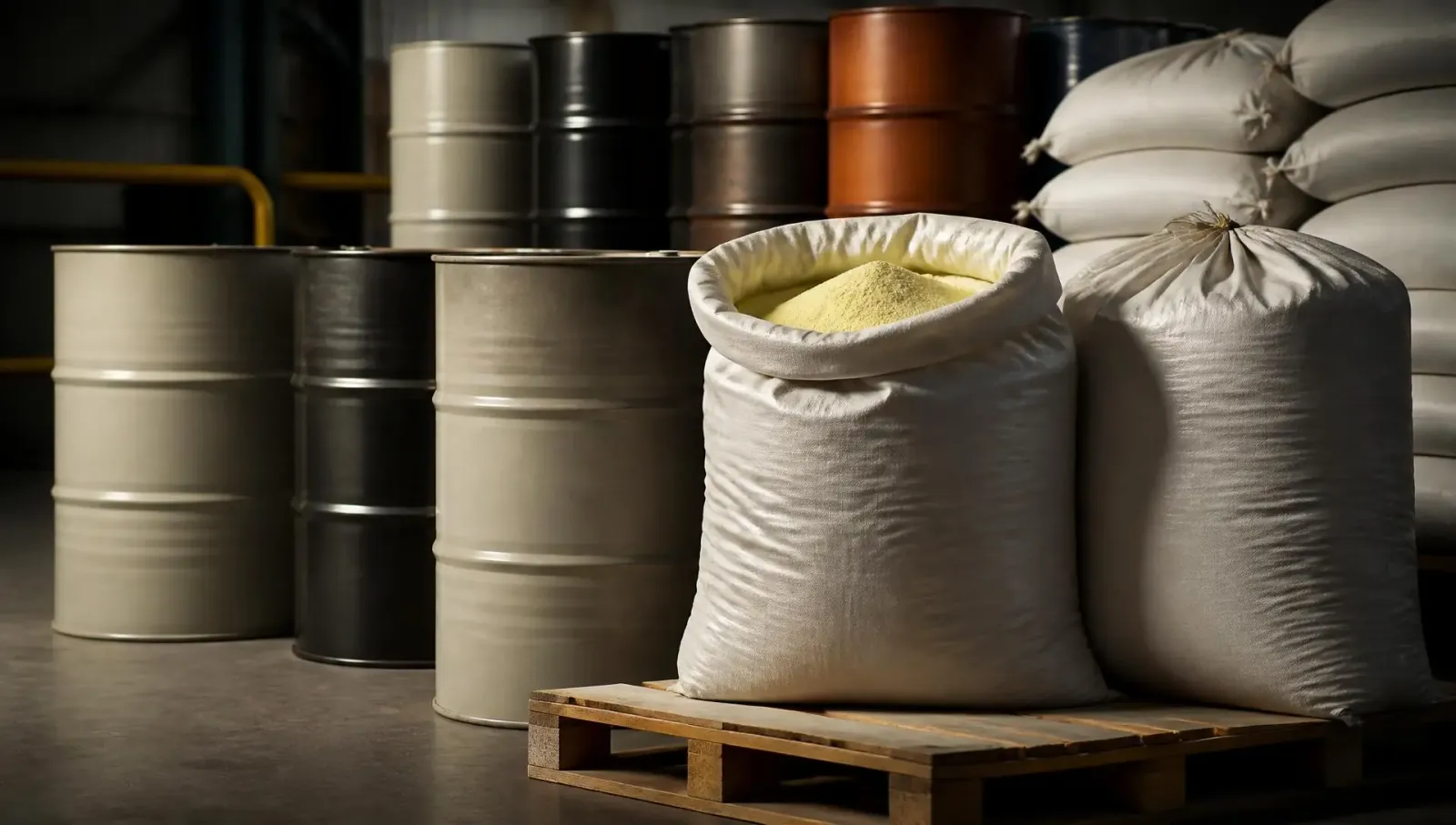
Fillers & Chemicals held in Polyplas warehousing
Warehoused in India, released to schedule

In the warehouse.

Held in India, in the right condition, released against your schedule.

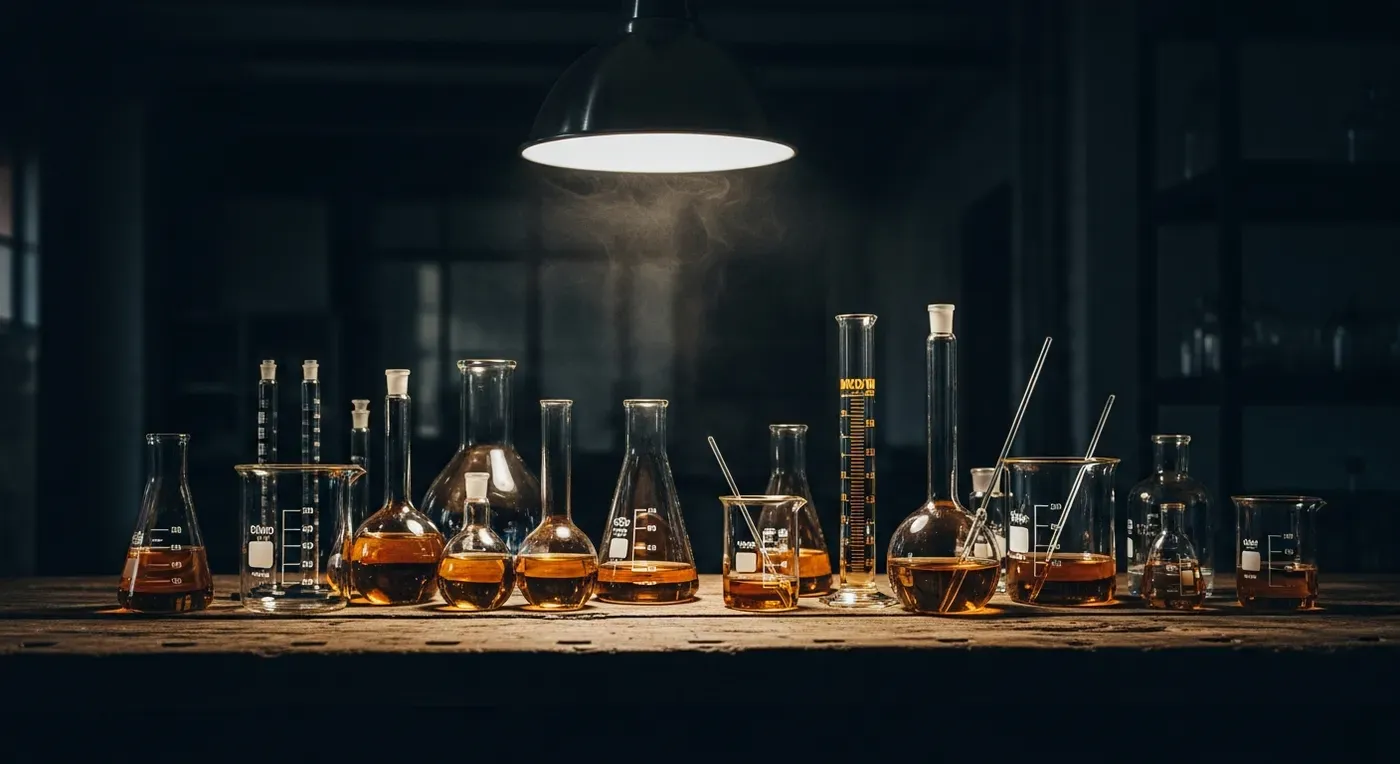
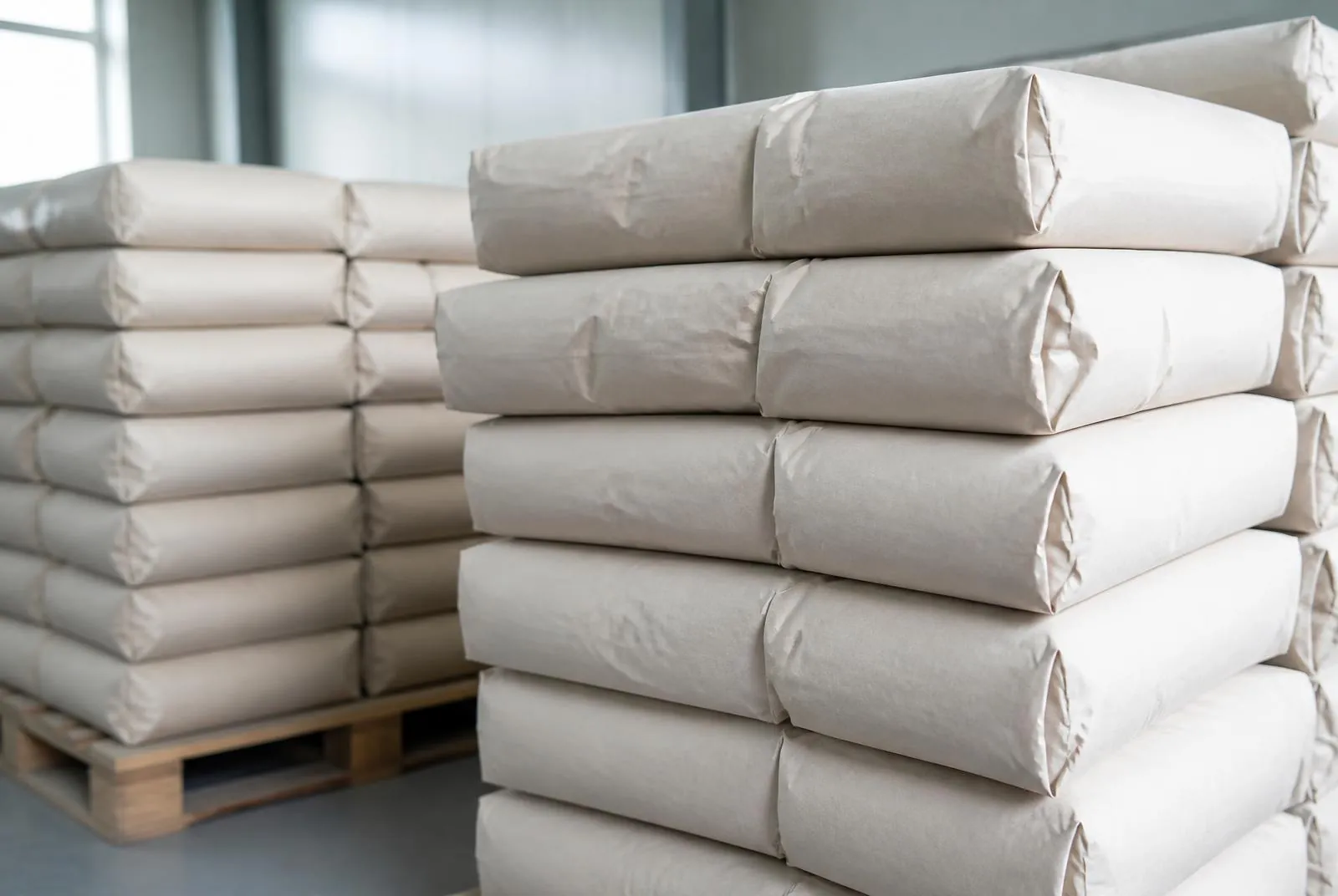
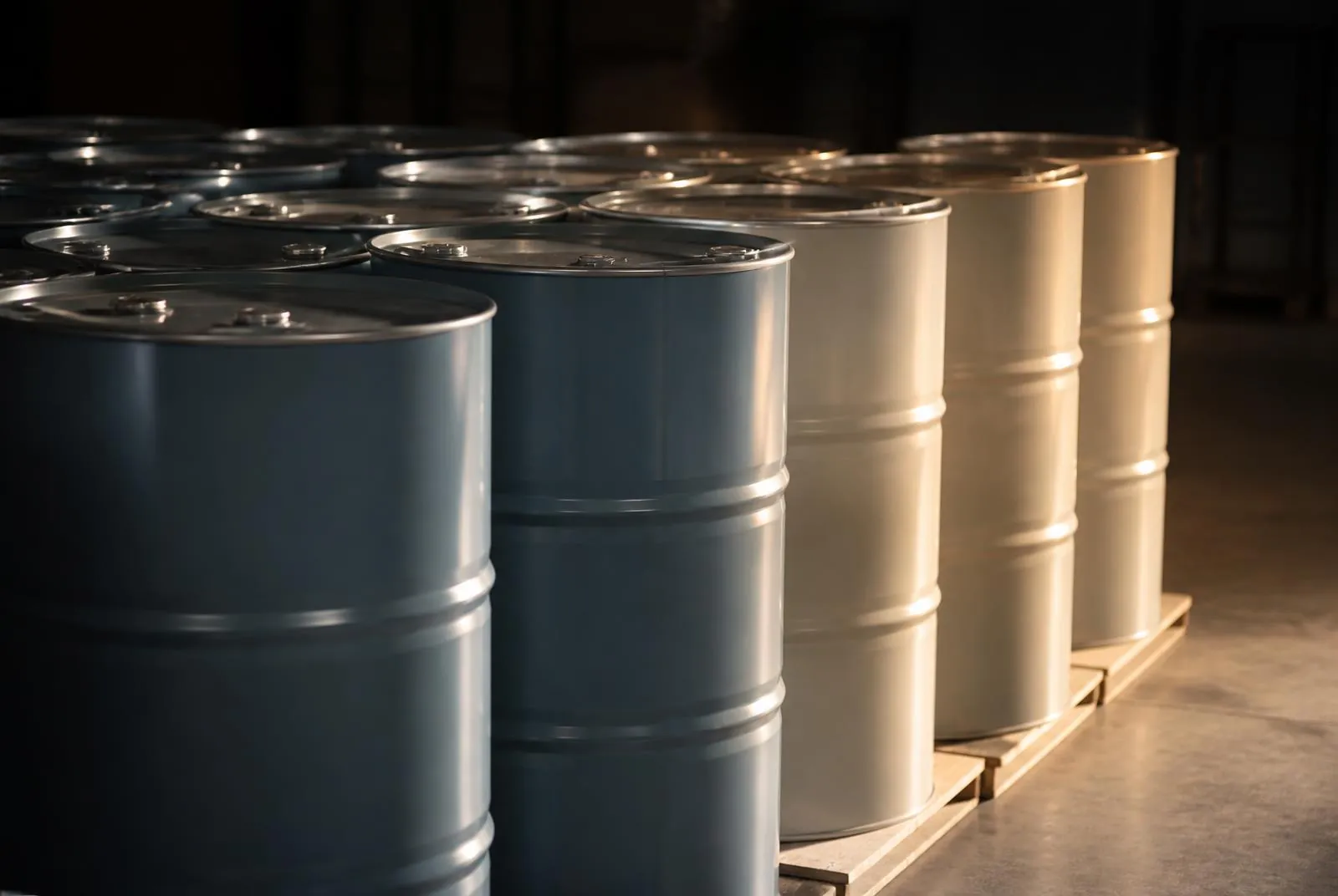
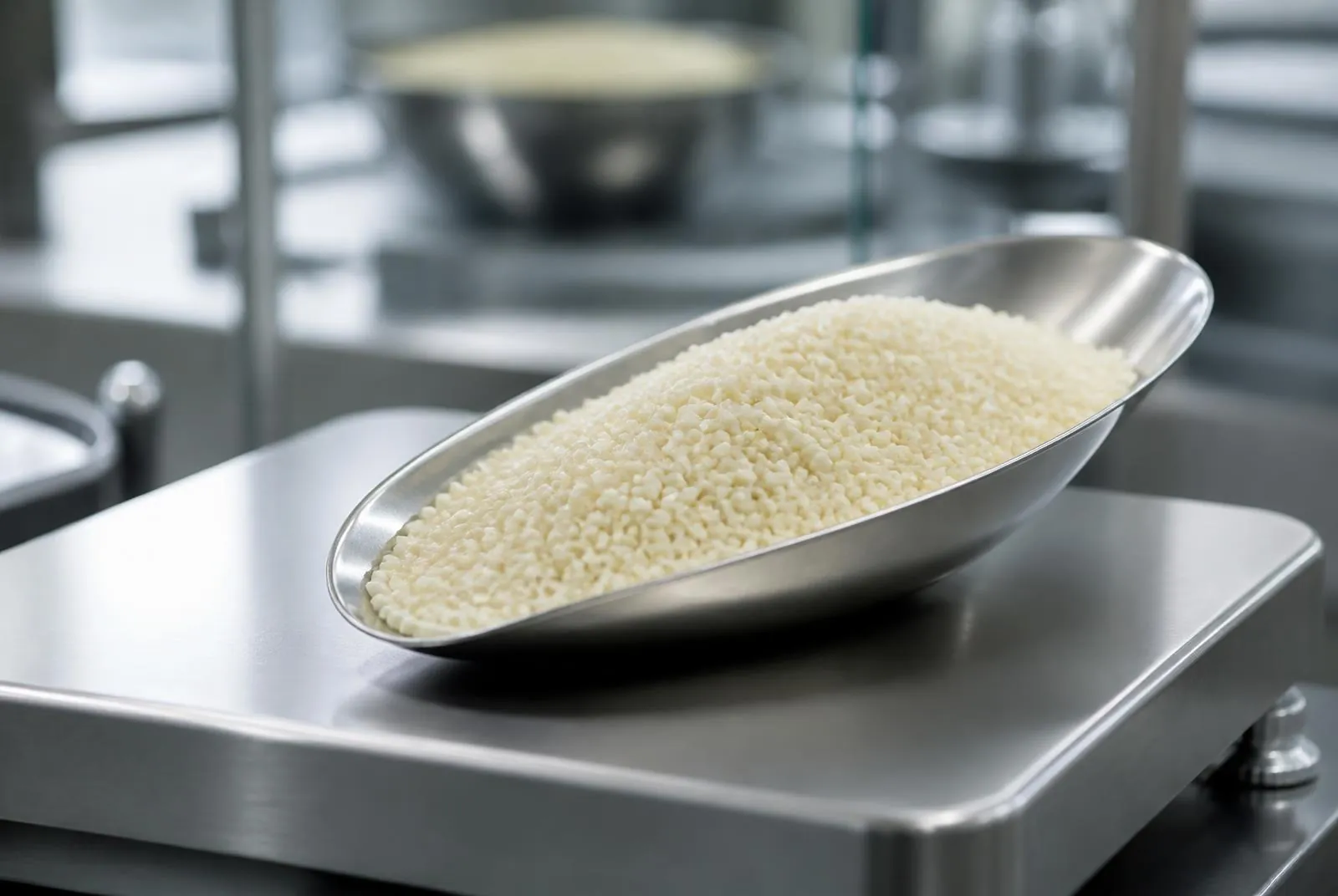
Precipitated silica, sacked
Activators, drummed
Accelerator, on the scale
Carbon black, reinforcing filler
Insoluble sulphur, oil-coated

Specify the cure.
We supply the system.

Start an enquiry

Also in materials

ElastomersReinforcing MaterialsMachinery division

We do not chase markets. We supply the materials that move them.

Polyplas Corporation, established 1989. US$ 200 million+ in annual trade across elastomers, reinforcements, chemicals and tyre-manufacturing machinery.

Materials

  • Elastomers
  • Reinforcing Materials
  • Fillers & Chemicals
  • Machinery

Company

  • About Polyplas
  • Clients
  • Global Associates
  • Contact

Registered office

B-7/105 A, Safdarjung Enclave
New Delhi – 110029, India
011-2615303 (2-4)
info@polyplas.com

Mon – Sat · 09:30 – 18:30 IST

© 2026 Polyplas Corporation. All rights reserved.·Website by OpulentGrow

Privacy & terms

Warehouses · Delhi NCR · Mumbai · Ahmedabad · Kolkata · Chennai · Kochi